

In today’s connected world, WiFi routers are the gateway to your digital life. But common cybersecurity issues like weak passwords, outdated firmware, and open networks leave millions vulnerable to hackers. If you’ve noticed suspicious activity, slow speeds, or just want peace of mind, it’s time to fix those How to Fix Common WiFi Router Cybersecurity Issues. Our guide covers everything from basic checks to advanced protections, tailored for 2026’s threats.
Cyber attacks on home networks are rising, with routers often the weakest link. Default settings make them easy targets for brute-force attacks or malware. Whether you’re dealing with unauthorized access or want to prevent identity theft, this tutorial empowers you to take control. We’ve helped thousands secure their setups—check out our blog for more networking tips.
By the end, your router will feature strong encryption, regular updates, and monitoring tools. No tech expertise required—just follow our clear steps. Let’s dive in and fortify your network against 2026’s evolving cyber risks.
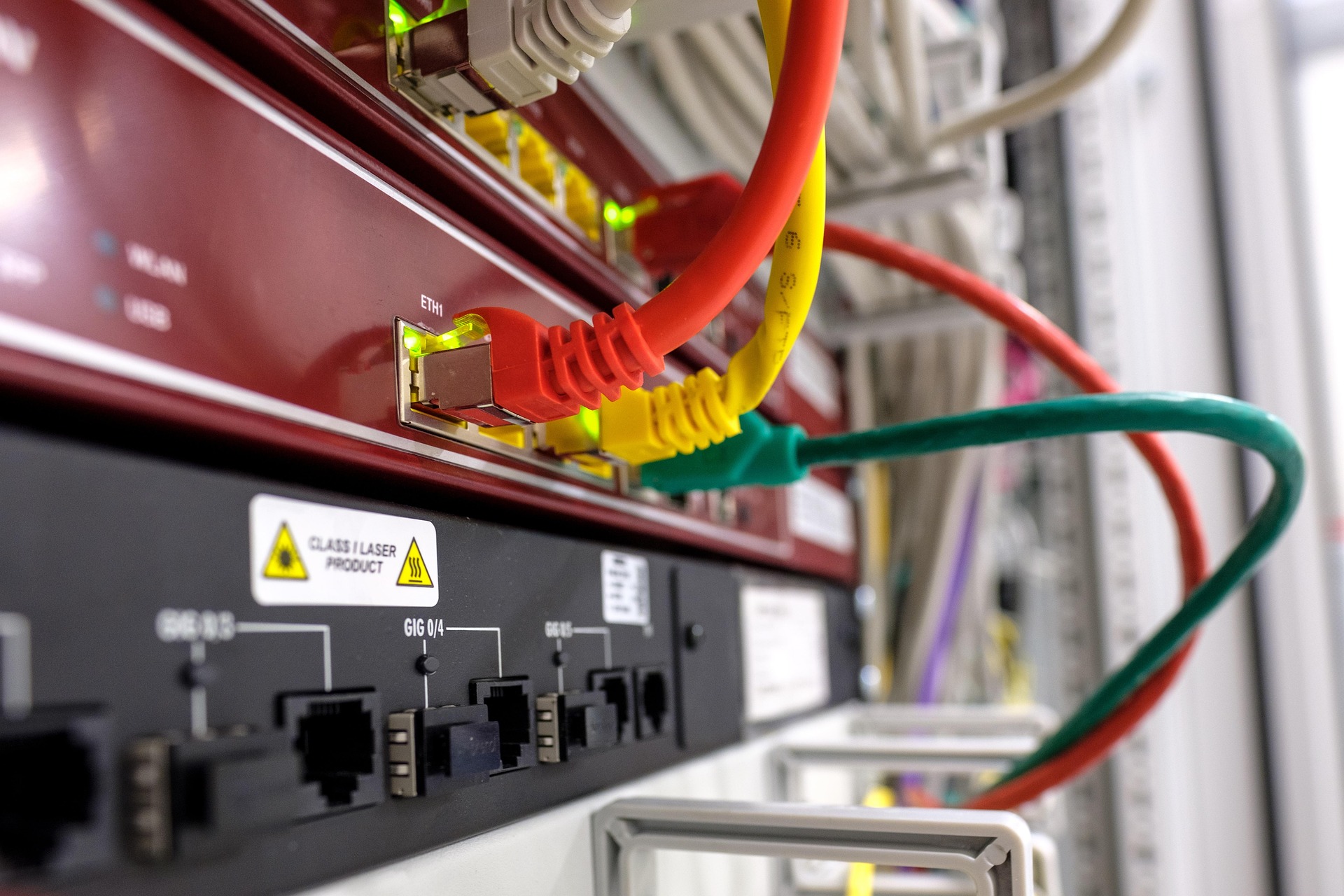
Preparation: What You Need Before Starting
Before tackling How to Fix Common WiFi Router Cybersecurity Issues, gather essentials to make the process smooth. You’ll need a computer or smartphone connected to your router, either wired or via WiFi. Note your router’s model and IP address—usually 192.168.1.1 or 192.168.0.1—found on the device label or in your network settings.
Have your admin username and password ready; defaults are often ‘admin/admin’. A stable internet connection helps for downloads. Tools like a web browser (Chrome or Firefox), notepad for passwords, and optionally a password manager. Backup current settings via the router’s interface to avoid lockouts. Safety first: work during low-usage times.
Step-by-Step Guide to Fix How to Fix Common WiFi Router Cybersecurity Issues
Follow these 7 key steps in order. Each includes tips and warnings to ensure success.
- Access the Router Admin Panel: Open your browser, enter the IP address, and log in with admin credentials. If forgotten, reset via the physical button—but this erases settings. Tip: Bookmark the page for future access. Warning: Change defaults immediately after login.
- Update Firmware: Check for updates under ‘Maintenance’ or ‘Firmware Upgrade’. Download the latest from the manufacturer’s site (e.g., TP-Link, Netgear). Install carefully—power interruptions can brick the device. We recommend auto-updates if available for ongoing protection.
- Change Admin Password: Go to ‘Administration’ > ‘User Accounts’. Set a strong password: 12+ characters, mix letters, numbers, symbols. Avoid personal info. This blocks unauthorized admin access.
- Secure WiFi Password: Under ‘Wireless’ settings, update SSID password to WPA3-Personal (or WPA2 if unsupported). Use complex phrases. Hide SSID to deter casual scans, but note it reduces convenience.
- Disable WPS and UPnP: Find ‘Wireless’ > ‘Advanced’. Turn off Wi-Pin (WPS) vulnerable to brute-force. Disable UPnP to prevent devices auto-opening ports. Essential for 2026 security.
- Enable Firewall and DoS Protection: In ‘Security’ tab, activate SPI firewall, block WAN pings. Enable Denial-of-Service safeguards. Review logs for anomalies.
- Setup Guest Network: Create isolated guest WiFi for visitors. Limit bandwidth and time. Prevents guests accessing your main devices.
After steps, reboot the router and test connections. Your network now resists common exploits like KRACK or Mirai botnets.
Optimization and Troubleshooting Tips
Go beyond basics with these 6 tips to maintain top security.
- Regular Firmware Checks: Schedule monthly updates. Manufacturers patch vulnerabilities quickly—staying current blocks 90% of exploits.
- Choose Optimal Channels: Use apps like WiFi Analyzer to pick least-crowded 5GHz channels. Reduces interference and eavesdropping risks.
- Enable MAC Filtering: Whitelist trusted devices only. Dynamic IPs make this robust against rogue connections.
- Monitor Connected Devices: Review ‘Attached Devices’ list weekly. Unknown entries? Block and investigate.
- Use VPN on Router: If supported (e.g., OpenVPN), encrypt all traffic. Ideal for public WiFi remnants or remote access.
- Two-Factor Authentication: For cloud-managed routers (e.g., Eero, Google Nest), enable 2FA on the app account.
Checklist: Strong passwords? WPA3? Firewall on? Logs clean? For mesh systems, apply uniformly across nodes. Troubleshoot login issues by disabling VPNs temporarily or using incognito mode.
Final Thoughts
Fixing How to Fix Common WiFi Router Cybersecurity Issues transforms your router from a liability to a fortress. Regular maintenance keeps threats at bay, ensuring safe streaming, working, and smart home use in 2026. If issues persist or your router lacks WPA3/MU-MIMO support, consider upgrading to a WiFi 6 or 7 model with built-in security like automatic updates and AI threat detection.
We’ve covered the essentials—now implement them. For more advice, visit our blog. Stay secure!
FAQs
How often should I check for How to Fix Common WiFi Router Cybersecurity Issues?
Monthly firmware scans and quarterly full audits suffice for most homes. Automate where possible in 2026’s smart routers.
What if I can’t access my router admin?
Reset to factory defaults via the button, then reconfigure. Recover settings from backup. Avoid if under warranty—contact support.
Is WPA3 necessary for fixing How to Fix Common WiFi Router Cybersecurity Issues?
Yes, it offers stronger encryption than WPA2. Most 2026 routers support it—upgrade if yours doesn’t.
Do mesh WiFi systems have the same cybersecurity issues?
Similar risks, but secure via the app. Update all nodes and use unified passwords for best protection.


Write Your Review
No reviews yet. Be the first to share your experience!