

Find the best value Best Cybersecurity Books For Beginners based on price and performance.
We analyzed 10 Best Cybersecurity Books For Beginners models priced between $14.99 and $23.25, using 438 verified reviews.


Pros
- Exceptionally clear writing with zero technical jargon makes complex security concepts accessible to complete beginners
- Practical checklists and visual guides enable readers to implement security measures immediately in minutes per day
- Covers essential real-world threats like phishing, social engineering, and identity theft with actionable defense strategies
- Focuses on timeless security principles rather than trendy buzzwords, ensuring long-term relevance and value
- Compact 128-page format respects readers' time while delivering comprehensive foundational knowledge
Cons
- Limited depth on advanced security topics may leave experienced users wanting more technical detail
- As an independently published work, it may lack the editorial polish and ongoing updates of major publisher releases
- Print publication date of July 2025 means certain emerging threats may not be covered in initial editions
Cybersecurity for Beginners by OK Michaels is a straightforward, no-nonsense guide designed specifically for people who feel overwhelmed by online security. This 128-page book addresses a genuine pain point: most cybersecurity resources assume technical knowledge or use intimidating jargon that leaves average users confused and vulnerable. This guide strips away the complexity and delivers practical, immediately actionable advice in plain English.
The book's standout strength is its accessibility. Rather than explaining how encryption algorithms work, it teaches you to recognize phishing emails, set strong passwords, and configure privacy settings on the apps you actually use. Real-world examples and visual guides replace abstract concepts. The 7-day framework and quick-win checklists make progress feel achievable, not overwhelming. Readers can implement two-factor authentication in 5 minutes or secure their home Wi-Fi without becoming IT experts. This approach directly addresses the anxiety many people feel when clicking links or connecting to public Wi-Fi.
Coverage spans the full spectrum of everyday digital threats: phishing, social engineering, password management, Wi-Fi security, smartphone protection, social media privacy, identity theft during online shopping, and what to do if you suspect a breach. The emphasis on timeless principles rather than trendy buzzwords means the advice remains relevant as specific threats evolve. The curated list of trusted resources and free tools provides a foundation for ongoing learning without requiring paid subscriptions.
The primary limitation is scope. This is a beginner's foundation, not a comprehensive security manual. Readers with existing technical knowledge may find the explanations overly simplified. Additionally, as an independently published title, it lacks the editorial resources and continuous updates that major publishers provide. The July 2025 publication date also means some emerging threats may not be addressed in early editions.
For anyone who has felt lost by online security, worried about their family's digital safety, or unsure what security tools they actually need, this book delivers clear answers and actionable steps. It's an excellent starting point for building genuine cybersecurity confidence without technical expertise or time-intensive study.
Device Security Fundamentals: The 7 essential steps to securing computers, smartphones, and tablets with beginner-friendly instructions and quick checklists that take minutes to complete.
Threat Recognition: Detailed guidance on identifying phishing emails and texts, spotting fake websites, recognizing social engineering attacks, and understanding the latest scams without hype or fear-mongering.
Password & Access Security: A proven 4-step method for creating strong, memorable passwords plus the safest approaches to password management. Two-factor authentication setup instructions for popular apps.
Network & Privacy Protection: Simple hacks to secure your home Wi-Fi network, comprehensive social media privacy settings guidance, and best practices for safe online shopping and banking.
Emergency Response & Data Protection: Clear step-by-step procedures if you suspect a breach, safe file backup methods, and disaster recovery strategies. Overview of password managers, VPNs, and antivirus software with honest assessment of what you actually need.
Ideal For: Complete beginners with no cybersecurity background, non-technical individuals who feel anxious about online safety, families wanting to protect children and elderly relatives, small business owners seeking foundational security knowledge, and anyone who has been intimidated by complex security guides or technical jargon.
Not Ideal For: IT professionals and security experts seeking advanced technical content, readers requiring in-depth coverage of specific security tools or methodologies, or those needing continuously updated threat intelligence on emerging vulnerabilities.
Best Value For: People who want practical, immediately implementable security habits without needing to understand the underlying technology, individuals managing security for multiple family members or small teams, and readers preferring a structured 7-day learning framework over scattered online resources.


Pros
- Specifically designed for career changers, students, and veterans with no prior tech background
- Covers the entire journey from certification through first-day success, not just one aspect
- Includes actionable templates and bonus resources that extend value beyond the book
- Written by an industry professional who understands real hiring practices and workplace expectations
- Focused on practical strategies and confidence-building rather than theoretical knowledge
Cons
- New publication date means limited real-world user reviews to validate effectiveness
- 152 pages may feel brief for those seeking exhaustive, deep-dive technical content
- Primarily focused on entry-level positions, not suitable for those seeking mid-career transitions
The Cybersecurity Career Manual is a practical career-launch guide designed specifically for individuals breaking into cybersecurity without prior tech experience. Written by Winston Knowles, a cybersecurity educator and veteran, this 152-page manual provides a structured roadmap for transitioning into entry-level cybersecurity roles. The book targets career changers, students, military veterans, and self-taught learners who want actionable guidance rather than theoretical concepts.
The standout feature of this manual is its comprehensive, step-by-step approach that covers the entire career-launch process. Rather than focusing narrowly on certification prep or resume writing, the guide addresses the complete journey: choosing and passing the Security+ certification, crafting an entry-level cybersecurity resume that gets noticed, preparing for technical interviews with confidence, and navigating your first 90 days on the job. This holistic approach eliminates the need to purchase multiple books or cobble together information from scattered online sources.
The book distinguishes itself through its focus on clarity and practical action. Knowles explicitly avoids industry jargon and fluff, instead providing proven strategies grounded in real-world hiring practices and workplace dynamics. Bonus materials including study plans, resume templates, career strategy frameworks, and curated job board recommendations add significant practical value beyond the core content.
A potential limitation is the publication date of July 2025, which means real-world user feedback is still accumulating. Additionally, at 152 pages, the manual prioritizes breadth and actionability over exhaustive technical depth, making it better suited for those seeking career acceleration rather than comprehensive technical mastery. The content is also specifically tailored to entry-level positions rather than mid-career transitions.
This manual is an excellent investment for anyone serious about entering cybersecurity quickly and confidently. It eliminates guesswork from the career-launch process and provides the psychological confidence and practical tools needed to compete effectively for entry-level positions. If you're ready to move from zero to hired without years of prerequisite experience, this guide delivers a clear, proven pathway.
This book is ideal for career changers transitioning from other industries who want to break into cybersecurity quickly. It's equally valuable for military veterans leveraging their service experience into tech careers, students preparing for their first tech job, and self-taught learners who lack formal guidance on the hiring process.
The manual is specifically designed for those pursuing entry-level cybersecurity positions and seeking to pass the CompTIA Security+ certification as their first credential. If you're overwhelmed by the number of certifications and career paths in cybersecurity, or uncertain about how to position yourself to hiring managers, this guide removes that uncertainty through structured, proven strategies.
Skip this book if you already hold mid-level cybersecurity certifications or have years of IT experience. It's also not the right fit if you prefer deep technical dives over practical career guidance. However, if you're serious about launching a cybersecurity career within months rather than years, this manual is a strategic investment in your professional future.
Security+ Certification Prep: The manual provides step-by-step guidance on choosing Security+ as your first certification and includes study strategies designed to help you pass efficiently. Rather than serving as a comprehensive exam cram book, it focuses on how to approach certification learning strategically.
Resume and Application Strategy: A dedicated section covers writing entry-level cybersecurity resumes that actually get noticed by hiring managers and recruiters. This includes templates and specific language recommendations that differentiate your application from other career changers.
Interview Preparation: Real-world interview preparation helps you speak confidently about cybersecurity concepts even if it's your first tech job. The focus is on building confidence and authenticity rather than scripted responses.
First 90 Days Success: An often-overlooked but critical section covers what to expect in your first three months on the job, including how to build relationships, establish credibility, and set yourself up for long-term growth in the industry.
Bonus Resources: The manual includes templates, study plans, career strategy frameworks, and recommendations for job boards specifically serving cybersecurity entry-level positions, extending its practical value well beyond the core content.


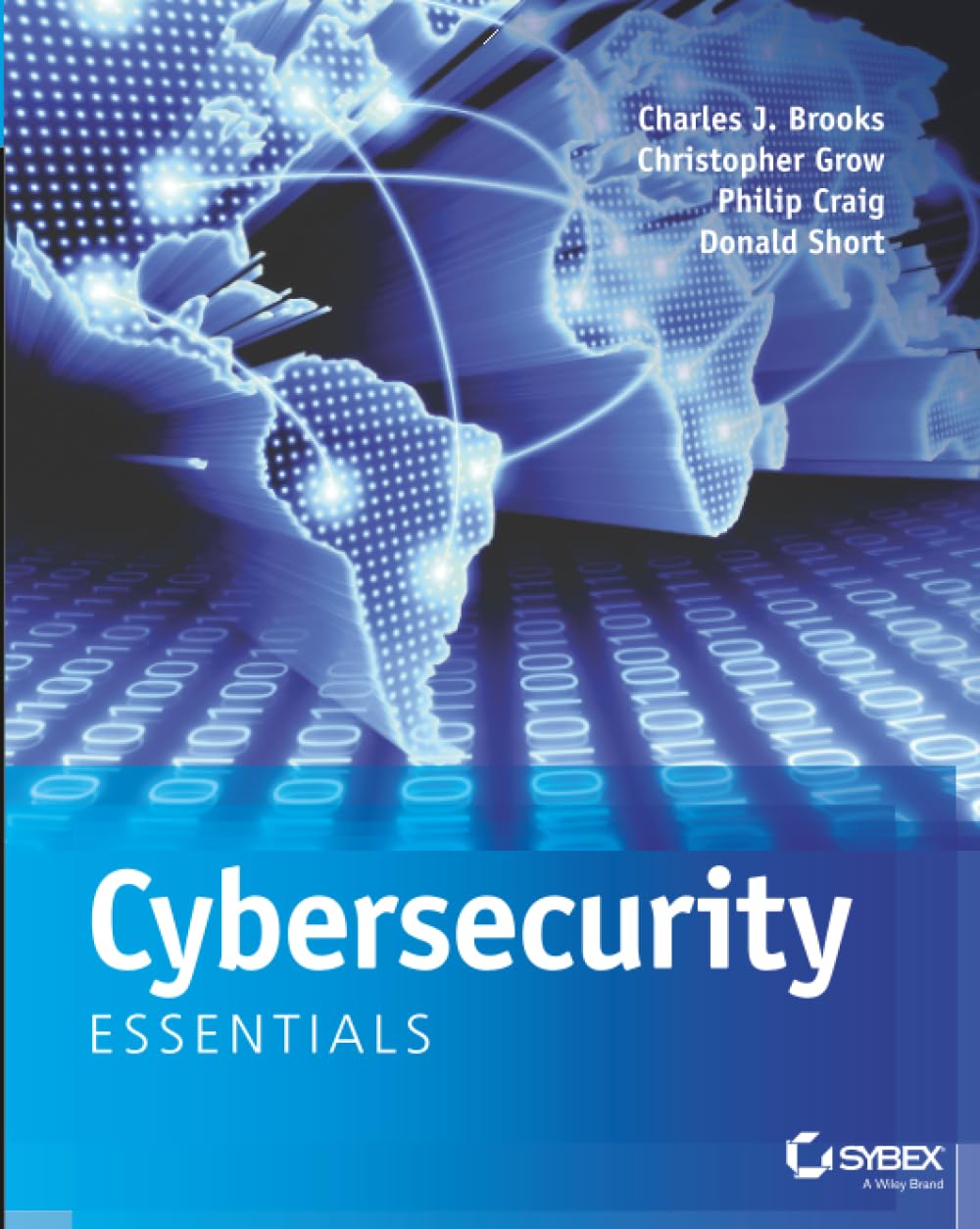
Pros
- Highly rated by readers (4.7 out of 5 stars) with praise for clear structure and comprehensive content progression
- Real-world vulnerability examples make abstract concepts immediately applicable to actual computing environments
- Hands-on exercises and review questions reinforce learning and build practical critical security skills
- Covers all essential topics needed for entry-level security certifications without overwhelming technical jargon
- Well-organized chapters allow you to tackle one security challenge at a time for deeper understanding
Cons
- Published in October 2018, so some coverage of emerging threats and latest security technologies may be dated
- Dense 784-page format requires significant time investment to complete thoroughly
- Best suited for beginners to intermediate learners; advanced practitioners may find content foundational rather than cutting-edge
Cybersecurity Essentials by Charles J. Brooks is a comprehensive foundational text designed for individuals entering the cybersecurity field or pursuing entry-level security certifications. This 784-page guide serves as an accessible introduction to complex security concepts, making it ideal for career changers, IT professionals transitioning into security roles, and anyone seeking to build a solid knowledge base in cybersecurity fundamentals.
The book excels in its structured approach to security challenges, breaking down the field into four distinct realms: securing infrastructure, securing devices, securing local networks, and securing the perimeter. Each section is treated independently to provide depth and clarity, allowing readers to understand how different security layers work together. The inclusion of real-world scenarios throughout the text is a standout feature, as it demonstrates how theoretical vulnerabilities manifest in everyday computing situations. This practical grounding helps readers immediately recognize security risks in their own environments.
A key strength is the hands-on learning methodology. Each chapter concludes with key concept summaries, review questions, and practical exercises that allow readers to test their understanding and develop critical security skills. This active learning approach is significantly more effective than passive reading and helps cement knowledge for certification exams and real-world application. Readers consistently praise the book's clear structure and logical progression from foundational concepts to more complex topics.
The main limitation is the publication date of October 2018. While core cybersecurity principles remain timeless, the threat landscape and emerging technologies have evolved significantly. Readers seeking coverage of the latest attack vectors, cloud security innovations, or modern zero-trust architectures may find some sections require supplementation with current resources. Additionally, the comprehensive nature of the content means this is a substantial time commitment for busy professionals.
Cybersecurity Essentials delivers excellent value for beginners and intermediate learners preparing for entry-level security roles or certifications. The combination of clear explanations, real-world examples, and hands-on exercises creates an effective learning experience. While not suitable as an advanced reference, it successfully builds the foundational knowledge necessary to understand cybersecurity fundamentals and launch a career in the field.
Ideal For: Career changers entering cybersecurity, IT professionals transitioning to security roles, students pursuing security certifications (CompTIA Security+, CEH), and anyone building foundational cybersecurity knowledge.
Best For: Beginners to intermediate learners who prefer structured, comprehensive learning materials with practical exercises over scattered online resources.
May Not Be Ideal For: Advanced security practitioners seeking cutting-edge threat analysis, specialized cloud security knowledge, or the latest emerging technologies published after 2018.
Security Infrastructure: Foundational concepts for protecting organizational security architecture and systems.
Device Security: Methods for securing individual computers, mobile devices, and endpoints against threats.
Network Security: Network topologies, protocols, and strategic approaches to protecting local and wide-area networks.
Perimeter Defense: Remote access protection, surveillance fundamentals, and strategies for defending network boundaries.
Threat Identification and Response: Techniques for identifying threats and implementing effective defense measures against various attack vectors.
Certification Preparation: Content aligned with entry-level cybersecurity certification requirements and exam objectives.
These products deliver the best balance between performance and price.



Write Your Review
No reviews yet. Be the first to share your experience!